
When you plan a trip to the northern mountains, one of the most meaningful decisions you will make is where to sleep. Sapa town is full of modern hotels and glossy resorts, yet a local homestay opens a completely different door to the region. It is the difference between visiting a place and being welcomed as a guest into a community that has lived among these terraced valleys for generations, and that shift changes everything about how you remember the trip.
This guide walks through what a real Sapa homestay experience feels like, which villages are worth choosing, and how to prepare so your stay is comfortable, respectful, and genuinely rewarding. If you are still shaping the wider trip, the ultimate Sapa travel guide ties transport, timing, and routes together in one place.
Authentic connection with local culture
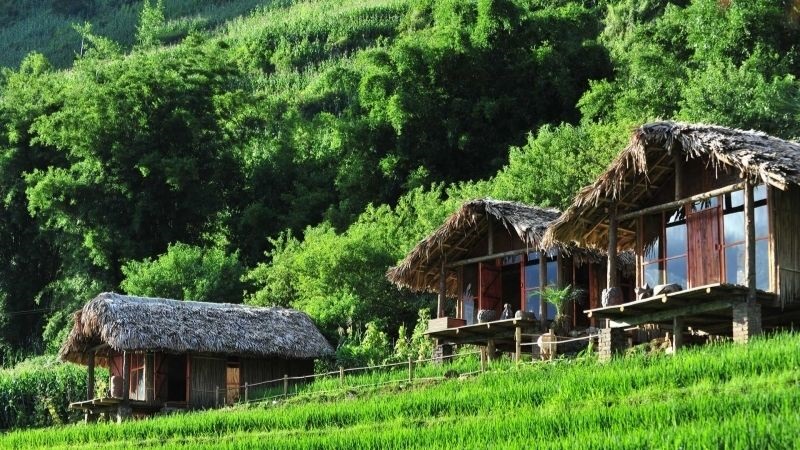
A homestay is far more than a bed for the night. It is a window into the daily life of the Hmong, Red Dao, and Giay communities who farm these slopes. Instead of the polished, standardized comfort of a hotel, you get to watch and take part in the real rhythm of mountain living, from morning chores to the slow unwinding of an evening by the fire.
That closeness builds a bond that a hotel simply cannot recreate. You are not a room number here, you are a person sharing a home. Hosts often share stories of their heritage, their family history, and the way life in the highlands keeps changing, giving you a depth of understanding that no guidebook can match. To go deeper into who these communities are, read our respectful look at the ethnic tribes of Sapa.
Choosing a homestay also supports the local economy in a direct way. Your money goes straight to families, helping them improve their homes and livelihoods while keeping their traditions alive. It is a form of slow travel that respects the dignity of local people and makes sure your visit leaves something positive behind.
Top experiences in a Sapa homestay
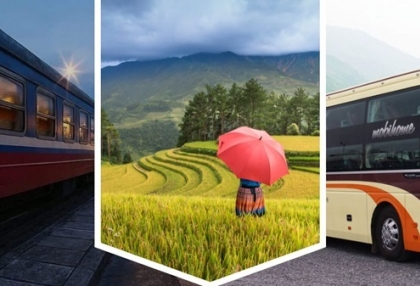
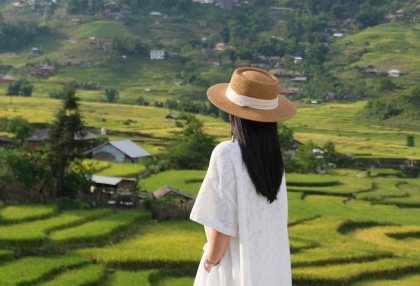
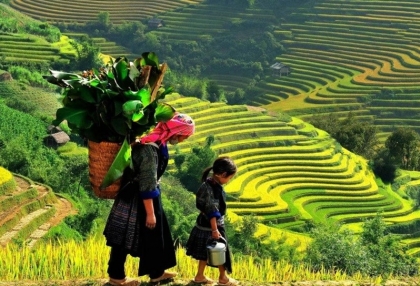
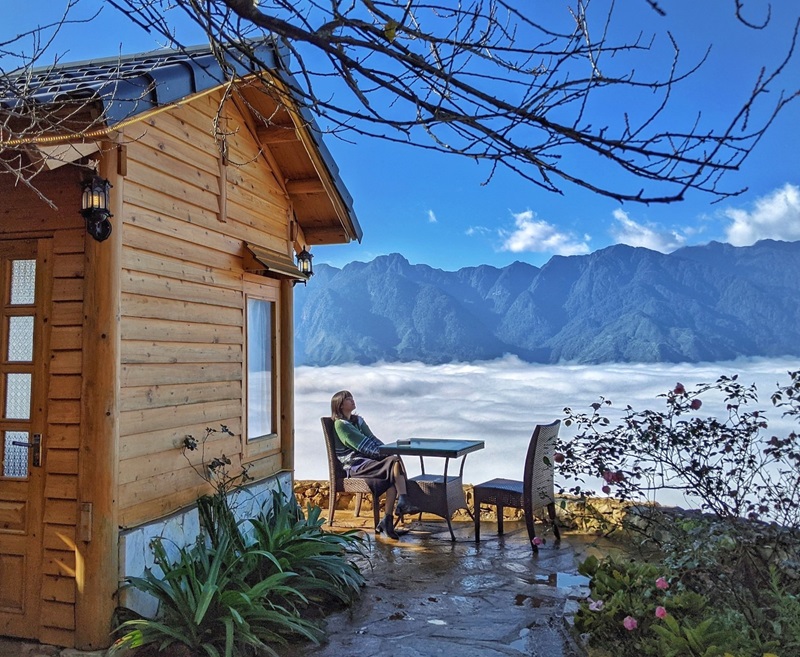
The most loved homestays sit in villages like Ta Van, Lao Chai, and Nam Cang, where terraced fields spill down the hillsides in every direction. Picture waking in a timber house, opening a shutter, and seeing nothing but green valleys and mist rolling over the ridgelines. That quiet, unhurried view is the hallmark of a truly authentic mountain stay.
Comfortable rooms that still feel local
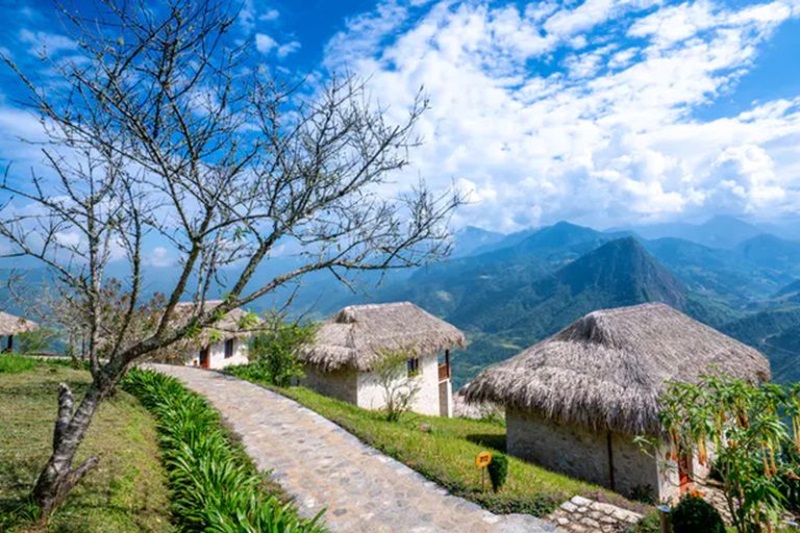
Many homestays now blend traditional wooden architecture with the modern touches travelers appreciate, so rooms are clean, charming, and warm. Some eco-lodge style properties go further with solar water heaters, organic gardens, and natural materials, creating a peaceful retreat that feels like an extension of the landscape rather than an interruption of it.
Shared meals that tell a story
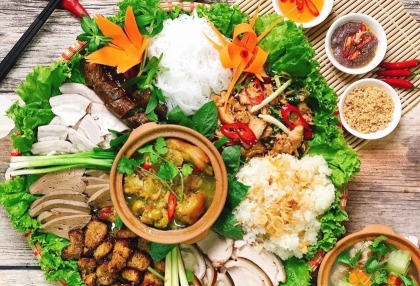
The communal table is often the highlight of the whole stay. Sitting down with your hosts over fresh garden vegetables, mountain-raised pork, and steaming rice is the heart of homestay life. It is a time to relax, swap stories, and taste the earthy, honest flavors of highland cooking in a cozy setting. If food is a big part of how you travel, our guide to Sapa local food shows you what to seek out beyond the dinner table.
Choosing the right village for your stay
Each valley has its own character, so it pays to match the village to the mood you want. Ta Van is easy to reach and lively with fellow travelers and trekking guides, which makes it a friendly first choice. Lao Chai sits deeper in the rice terraces and feels calmer, while Nam Cang and Ta Phin lean remote and traditional, rewarding those willing to travel a little farther for quiet and space.
Think about how you plan to spend your days as well. If you want to trek straight from the doorstep, pick a homestay near the trailheads. If you would rather read, sketch, or simply sit with the view, choose a house set high on the slope with a wide veranda. A quick message to your host before arrival about walking routes and pickups usually smooths out the rest.
Preparing for your stay
It helps to set your expectations before you arrive. Most homestays are comfortable, but they are not luxury hotels. Expect simple, tidy rooms, and in smaller rustic houses a shared bathroom rather than an ensuite. Leaning into that simplicity is part of the charm of sleeping in the mountains, and it makes the warmth of your hosts feel all the more genuine.
Pack light and bring a few practical items such as earplugs, especially in a village where roosters and livestock start the day early. Nights can turn cool even in summer, so carry a sweater or a light jacket. Our seasonal Sapa packing guide breaks down exactly what to bring month by month.
House etiquette and simple respect
Small gestures go a long way in a family home. Take off your shoes before stepping inside, keep noise gentle in the evening, and ask before photographing people or private spaces. Your hosts may follow customs and routines that differ from your own, so treat those differences as something to learn from rather than work around.
Above all, arrive with an open mind and a friendly attitude. The beauty of a homestay lives in its unpredictability and in the small human connections you make along the way. Approach it with curiosity, and you will leave with memories that outshine any hotel stay you could have booked instead.
Is a homestay right for you
A homestay suits travelers who value people, place, and story over spotless marble bathrooms and room service. Families, couples, and solo travelers all find something here, whether it is a quiet valley view, a shared meal, or a walk through the fields with a host who knows every path. If your priority is predictable five-star polish, a town hotel may suit you better, and there is no wrong answer.
For most visitors though, the mountains reward those who slow down and stay close to the land. A night or two in a village homestay often becomes the part of the trip people talk about for years. When you are ready to plan the wider journey, start with the Beka Travel homepage and build an itinerary that puts real, local experiences at its center.